Virtual reality is often associated with gaming or entertainment. But in rehabilitation, it is quietly emerging as something much more meaningful: a tool that can help people move again, regain confidence, and reconnect with their bodies.
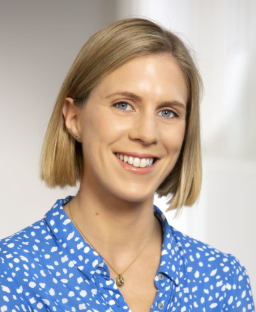 For Scale-Up4Rehab, this potential is exactly what matters. This Interreg project 10.8 million brings together researchers, clinicians and innovators across Europe to accelerate the adoption of digital and blended rehabilitation solutions. One of those voices is Niamh Brady, physiotherapist, researcher and lecturer at University College Cork, who has been working with virtual reality (VR) in rehabilitation for years.
Her experience shows why VR is not about replacing care, but about enriching it.
From curiosity to clinical practice
Niamh has worked as a physiotherapist for more than 17 years across neurological, respiratory and musculoskeletal rehabilitation. Alongside her clinical work, she teaches physiotherapy students and is completing her PhD on virtual reality for shoulder rehabilitation.
Her interest in VR grew from a simple but pressing question: What can we do when traditional rehabilitation no longer works as expected? “I was seeing more complex cases,” she explains. “People with long-standing pain, fear of movement, or low engagement with exercises. That’s where I started to see the potential of VR.”
Rather than using VR for every patient, Niamh applies it selectively, especially when pain, anxiety or low motivation stand in the way of progress.
Why virtual reality can make a difference
One of the most striking things Niamh observed, both in her research and in practice, is the emotional response. “There’s often an immediate sense of joy,” she says. “People smile as soon as they put on the headset. Many feel transported to another place.”
That sense of immersion is more than a pleasant side effect. VR can help shift attention away from pain, reduce fear of movement and make exercises feel more achievable. For some patients, it turns rehabilitation from a chore into something they are willing to engage with again.
Gamification plays a role here, but so does education. VR offers new ways to explain pain, movement and recovery in a way that sticks. Information experienced in an immersive environment is often remembered better than instructions on paper.
Not a replacement, but a powerful addition
Despite its promise, Niamh is clear about one thing: VR should not replace physiotherapy. “The best model is blended care,” she says. “In-person guidance from a professional remains essential. VR works best in between sessions, supporting patients at home and reinforcing what happens in the clinic.”
This blended approach can also improve access to care. In healthcare systems under pressure, VR-supported rehabilitation may help reduce unnecessary travel, optimize appointment time and allow clinicians to support more patients without lowering quality.
Why the transition to blended care is a necessary powerful addition
The move toward blended care is not simply a technological upgrade — it is a response to growing pressure on healthcare systems. Increasing patient numbers, limited clinical capacity and long waiting lists mean that traditional face-to-face rehabilitation alone is no longer sufficient. Blended care improves access by allowing patients to continue meaningful rehabilitation at home, reduces travel burden and helps clinicians use in-person time more effectively.
Niamh emphasises that making blended care work in real practice requires more than simply introducing new technology.
According to Niamh, this includes:
- robust research to build confidence in safety and effectiveness
- clear clinical protocols and structured training for professionals
- practical implementation support (time, space and logistics)
- sustainable investment models for hardware and software
- and platforms such as Uptimise that make evidence, tools and peer knowledge accessible
For her, the key message is clear: “Blended care is not about replacing clinicians. It’s about strengthening rehabilitation through a smart combination of human expertise and digital support.”
Barriers that still need to be addressed
If VR has so much potential, why is it not used more widely? Niamh points to several barriers:
Uncertainty about effectiveness and safety
The cost of hardware and software
Time and space needed to use VR properly in clinical settings
A lack of clear guidelines, protocols and training
Patients also ask critical questions: Will this really help me? What does the evidence say?
Clinicians, in turn, need confidence that VR is worth the investment and fits their workflow. Research, education and shared learning are therefore essential to move from experimentation to routine use.
Scaling VR across Europe
This is where Scale-Up4Rehab comes in. The project focuses on building a strong evidence base, developing shared protocols and connecting expertise across countries. “What excites me,” Niamh says, “is that this project looks at implementation at scale. Not isolated pilots, but learning across Europe.”
Training clinicians, informing patients and demonstrating real-world impact are all key to making VR a sustainable part of rehabilitation.
Uptimise: supporting professionals in blended care
As a follow-up to Scale-Up4Rehab, Uptimise is being developed as a one-stop platform for curated rehabilitation apps and blended care support. Niamh sees clear value in such a platform: “A place where professionals can find applications, research, and peer knowledge makes adoption much easier. Clarity is crucial.”
She also highlights the importance of flexibility. Smaller practices and larger organisations have different needs, and transparent pricing and guidance will help professionals decide what fits their context.
A look into the future
If Niamh had a magic wand, she would design VR rehabilitation that is:
Highly customisable to individual preferences and functional goals
Rich in varied activities to prevent boredom and facilitate progression of rehabilitation
Supportive through meaningful feedback on progress
Encouraging, with gentle prompts to stay engaged
An educational component to promote health literacy and shared decision making
“We’re really just getting started,” she says. “The technology is moving fast. Research is catching up. And healthcare needs innovation more than ever. With projects like Scale-Up4Rehab and platforms like Uptimise, that future is coming closer.”